


Business automation has moved beyond the pilot phase. A 2024 Datacom survey found that 67% of larger New Zealand businesses now use AI, jumping sharply from 48% in 2023. Yet a significant gap exists: 68% of small and medium enterprises have no immediate plans to evaluate or invest in AI technology.For New Zealand SMEs, the question isn't whether to invest in business process automation, but where to deploy it for maximum impact. With productivity becoming the top priority for 29% of businesses, 2026 will reveal which applications deliver genuine returns.
What Is Business Process Automation?
Business process automation uses technology to execute recurring tasks with minimal human intervention. Modern systems combine robotic process automation (RPA) for structured, repetitive tasks with AI automation for processes requiring pattern recognition or predictive analysis.
For a deeper understanding of how BPA, RPA, and AI work together, see our guide on business automation approaches.


Where AI Automation Will Actually Move the Dial in 2026
Planning and Forecasting
AI automation transforms demand prediction by analysing thousands of variables simultaneously, identifying relationships between sales patterns, market conditions, and economic indicators. Systems continuously learn from new data, automatically detect anomalies, and adjust predictions in real time.
Finance Close and Financial Operations Automation
Gartner predicts that 90% of finance functions will deploy at least one AI-enabled solution by 2026. Business automation compresses close cycles by automating journal entries, reconciliations, and variance analysis, with AI-powered platforms matching transactions automatically and monitoring data continuously.
Service Scheduling and Field Operations
A McKinsey study found that smart scheduling can boost field worker productivity by 20 to 30 percent. When jobs run long or urgent requests arrive, AI automation instantly recalculates schedules, notifies customers, and reroutes technicians.
Inventory Optimisation
AI automation analyses sales history, seasonality, promotional calendars, and supplier lead times to automatically adjust safety stock levels, trigger replenishment, and identify slow-moving items before they become obsolete.
Customer Operations and Service Automation
Modern AI systems understand natural language, access backend systems, and resolve transactions autonomously. Forrester predicts that one in four brands will see a 10% increase in successful self-service interactions by the end of 2026. These systems analyse interactions to identify patterns, feeding intelligence back into product development.
The Limits of AI: What's Not Ready for Automation in 2026
Safety-critical decisions requiring real-time judgment, governance-heavy approvals with regulatory implications, and processes with minimal usable data remain unsuitable for full automation. AI can provide recommendations, but final decisions on workplace safety, emergency response, fiduciary responsibility, or situations with significant legal consequences must involve human evaluation.
Situations requiring deep contextual awareness, emotional intelligence, or nuanced judgment remain firmly in human territory. AI can assist by providing relevant information and highlighting patterns, but decisions involving conflicting stakeholder interests, ethical considerations, or complex interpersonal dynamics need human wisdom.
What 2026 Will Demand From Businesses
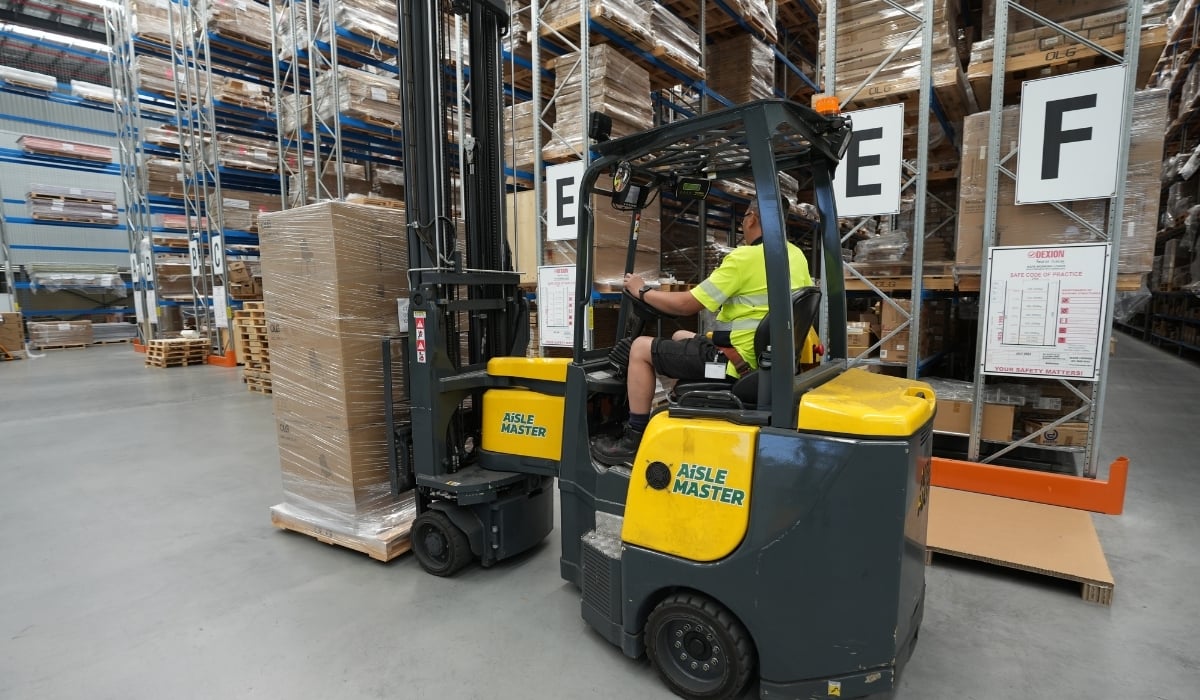
Success with business automation requires foundational capabilities. Better data quality and accessibility form the prerequisite for AI; systems trained on incomplete or inconsistent data produce unreliable results. Cross-functional process design becomes critical, as automation often spans departments and fails when it optimises one workflow while creating bottlenecks elsewhere.
Workflow standardisation supports automation by reducing unnecessary variation and documenting legitimate exceptions. Change management determines adoption success; organisations that invest in training, communicate transparently about automation's purpose, and involve staff in design decisions achieve higher adoption rates and better outcomes.
How Logiq Group Approaches Business Automation Pragmatically
Since 2008, Logiq Group has helped New Zealand businesses implement ERP systems and digital solutions that centralise data and streamline operations. We begin by understanding existing processes before recommending technology. Many organisations discover that their biggest opportunity isn't implementing AI automation, but fixing broken workflows that no amount of technology will salvage.
Our framework assesses processes across multiple dimensions: transaction volume, error rates, rule complexity, data availability, and strategic importance. We're technology-agnostic because the right solution depends on specific circumstances. Sometimes AI automation provides the answer; sometimes simpler RPA suffices; occasionally, the best solution is better process design without automation at all.
Throughout implementation, we prioritise risk management. We design systems with appropriate oversight, build in exception handling, and ensure humans remain accountable for outcomes even when AI systems execute the work.

The Real Opportunity for 2026
AI automation and business process automation will unlock genuine value in 2026, but only where businesses deploy them thoughtfully. The winners won't be those who automate the most processes, but those who automate the right ones: high-volume, rule-based workflows where accuracy matters and speed creates competitive advantage.
For New Zealand businesses, 2026 represents a genuine inflection point. Those who invest now in data quality, process standardisation, and targeted automation will gain efficiency advantages that compound over time. Those who delay will find themselves competing against organisations operating with fundamentally lower cost structures and faster response times.
Want to calculate the potential return from automating specific processes in your business? Our Automation ROI Calculator helps you model different scenarios and understand where investment will generate the strongest returns.
More insights
What is Business Process Automation? A Guide to BPA, RPA, and BPM
Many use the terms robotic process automation (RPA), business process automation (BPA), and...
Read More
How does RPA work and why is it essential for business growth?
Most businesses run on an ERP system that centralises data and standardises processes, but the ERP...
Read More
Am I Ready for ERP Automation? A Guide for Growing Businesses
Running a growing business means constantly juggling priorities. You've heard about automation and...
Read More
How to Get Started with ERP Automation
Your team spends hours each week on repetitive admin tasks that could be running automatically....
Read More